 English
 Français
 Deutsch
 Italiano
 Español

VUSIONLIVE
Merchandising
Leverage all your transactional and consumer data to make the right merchandising decisions using (without blindly following) AI-identified recommendations.
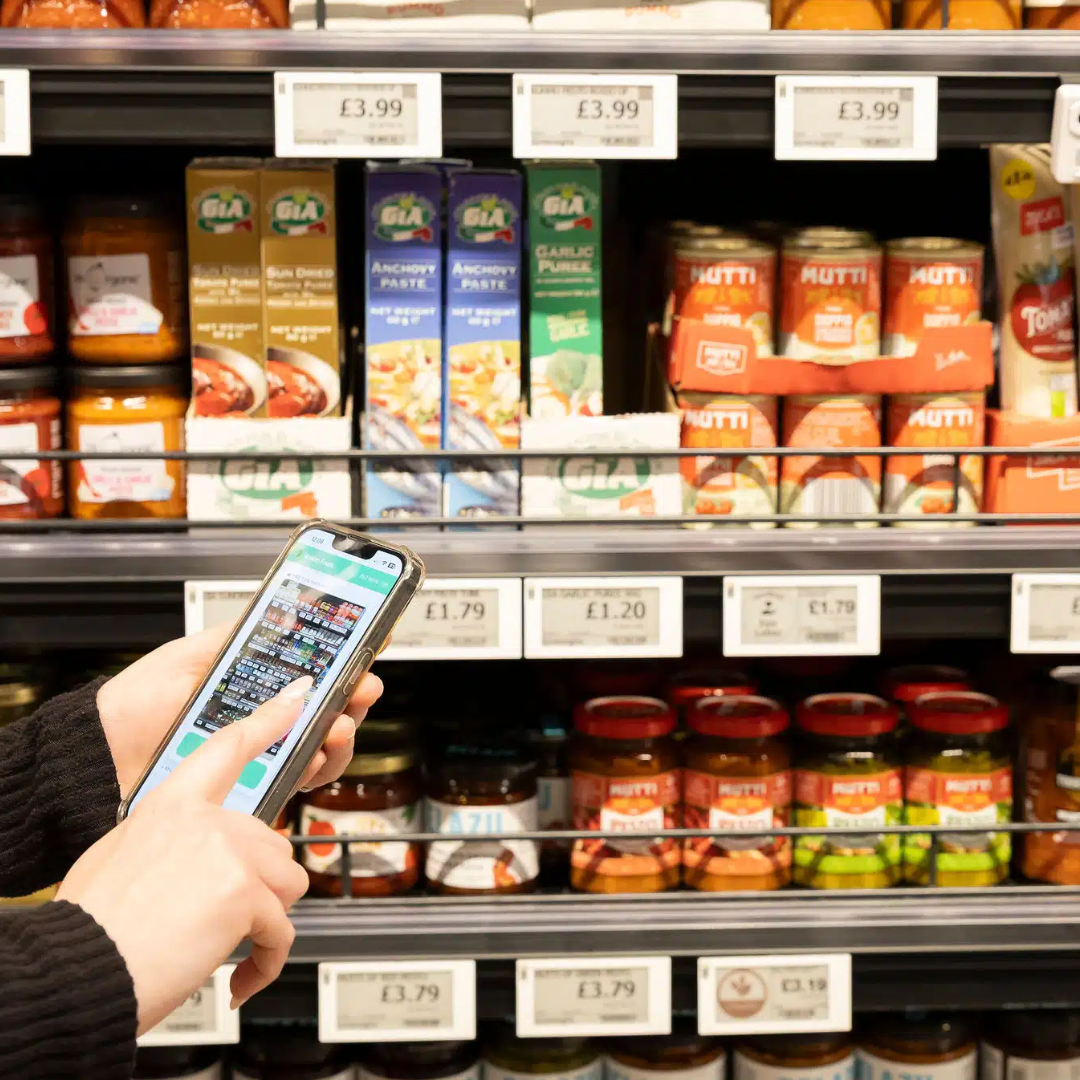
Understand your customers to structure and manage your sales areas.
Analyze the consumer’s decision-making journey, adapt your merchandising plans and store layouts, test and measure their performance, and then optimize space allocation to maximize sales and profitability.
Thoroughly Optimize Your Merchandising
-
Identify the Consumer Decision Tree
By tracking the individual behaviour of each customer, identify the entry keys and the order of customer choices in the category. On this basis, build the decision tree for each consumer need unit (i.e. group of products responding to the same need).
-
Adapt Your Macro Layout
Considering your in-depth understanding of the customer decision tree and the mix between product groups, define the optimal merchandising plan by category, i.e. the order in which product sub-categories/product families should be presented to the customer.
-
Measure the Performance of Your New Merchandising Plans
Based on a multi-criteria analysis (customer profiles, sales profiles, seasonality, etc.), identify the most relevant test stores, as well as the control stores that will be used to measure the performance of the test.
-
Cluster Stores
Analyze a store network in depth by considering a wide set of criteria (sales structure, customer profile, price sensitivity, promotion sensitivity, seasonality, etc.) and measure variabilities to extract one or several store grouping angles. Adapt category strategies (on assortment, promotions, prices, etc.) to each cluster.
-
Optimize a Store Floor Plan
For each store, analyze sales and profit performance per linear meter and per square meter. Relate them to customer performance and define a space allocation plan that optimizes sales and/or profit, while respecting several operational constraints and/or commercial principles.