.png)
Real-Time Retail Data Insights: Redefining Store Operations and Shopper Experience
The speed of data has consistently moved faster every year. The critical development over the past decade is that speed of data is now a competitive differentiator. The modernization of store operations isn’t just about digitizing shelves or displays; it’s about turning real-time data into meaningful insights that drive better decisions on the floor. From grocery and convenience to drug and DIY retailers, the ability to capture and act on shelf-level intelligence is transforming both the shopper experience and operational efficiency.
Key Takeways
- Real-time retail data insights have become a competitive necessity, not a technology nice-to-have, as execution speed now directly impacts sales, costs, and shopper trust.
- Shelf-level visibility replaces reactive store operations, enabling teams to detect and fix issues such as out-of-stocks, mispricing, or non-compliance while they happen.
- Accurate, real-time data improves the shopper experience invisibly, ensuring price consistency, product availability, freshness, and relevance across every aisle.
- The value of real-time data varies by retail segment, from reducing waste in grocery to improving SKU execution in DIY and compliance in drugstores.
- Scalable impact depends on a unified data ecosystem, where ESLs, displays, cameras, and sensors feed a single platform that turns signals into action.
- Retailers investing in real-time data foundations are preparing for predictive store operations, moving from reacting to issues to anticipating them.
Why Real-Time Retail Data Insights Are Now a Competitive Imperative
Retailers are operating in an environment where volatility is constant: demand shifts faster, labor is tighter, and margins leave little room for error. In this context, real-time retail data insights are no longer a technology upgrade; they are a strategic requirement. When decisions are made hours or days too late, the impact is immediate on availability, compliance, and customer trust. Retailers who fail to act in real time increasingly expose their store networks to execution gaps that directly affect revenue and cost control.
Traditional retail operations often relied on reactive processes, mostly manual audits, delayed restocks and periodic planogram reviews. But digital store technologies like Electronic Shelf Labels (ESLs), digital displays and camera-based image recognition are replacing static workflows with continuous visibility. When integrated through a centralized data platform, these systems allow retailers to see and respond to what’s happening in the store as it happens, revealing misplaced products, shifting shopper traffic or inventory reaching critical levels.
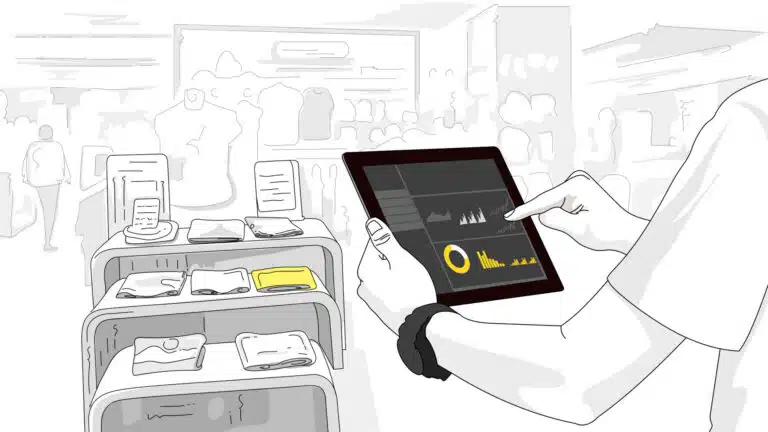
This shift from static to agile visibility is changing how stores operate. Store managers now rely on live alerts to restock high-demand items before shelves empty, while category managers monitor real-time performance data aggregated across regions or store clusters. That level of precision is helping retail teams make faster and smarter operational decisions.
From delayed reporting to instant decision-making
For decades, store operations relied on delayed reporting cycles. Data was collected manually, consolidated overnight, and analyzed after the fact. By the time insights reached decision-makers, the issue had often already impacted sales or service levels. Real-time retail data insights fundamentally change this model by enabling decisions to be made while conditions are unfolding on the sales floor. Live shelf data allows store teams to correct issues immediately, not during the next audit cycle, reducing lost sales caused by empty shelves or execution errors.
Why speed of insight matters more than data volume
Retailers are not suffering from a lack of data. They are overwhelmed by it. The differentiator today is not how much data a retailer collects, but how quickly that data can be translated into action. According to McKinsey, organizations that leverage real-time data are significantly more likely to outperform peers in operational efficiency and responsiveness (Source : McKinsey & Company : https://www.mckinsey.com/industries/retail/our-insights). Real-time retail data insights compress the gap between observation and execution, allowing stores to react at the pace of shopper behavior rather than at the pace of internal processes.
The cost of operating stores without real-time visibility
Operating without real-time visibility carries a measurable cost. Out-of-stocks, incorrect shelf information, and delayed replenishment erode both revenue and customer confidence. The National Retail Federation consistently highlights that inaccurate inventory and execution issues remain among the top contributors to lost sales in physical retail (Source : National Retail Federation : https://nrf.com). Without real-time retail data insights, retailers are forced into reactive firefighting, increasing labor pressure while failing to address root causes at scale.
How Real-Time Retail Data Insights Elevate the Shopper Experience
For shoppers, real-time retail data insights translate into fewer friction points in the aisle: accurate information, fewer surprises, and a store experience that stays consistent from visit to visit. When execution improves at shelf level, trust improves at shopper level.
ESLs connected to a pricing platform ensure that digital tags always reflect accurate and timely pricing. Simply put, there are no more mismatched shelf labels. Dynamic in-store digital retail media displays can adapt content on the fly, promoting offers that are relevant to time of day, local events or even in-store weather sensors.
Image recognition systems add another layer of personalization. By tracking shelf conditions and product placement, these systems ensure planogram compliance, in-stock availability and product freshness, which is particularly critical in fresh foods and pharmacy where trust and transparency matter most. The end result is a cleaner, more cohesive and more consistent shopping experience from aisle to aisle.
This matters because shoppers increasingly punish missing or unclear information in the moment: 75% are likely to switch brands if they can’t find the product information they need, and enhanced content can make shoppers 25% more likely to purchase (Source : NielsenIQ).
Real-Time Retail Data Insights by Retail Segment
While the foundations of real-time retail data insights are shared, their impact varies significantly by retail segment. Each format faces distinct operational constraints, shopper expectations, and execution challenges that real-time shelf intelligence helps address in different ways.
Grocery: Managing perishables, availability, and waste in real time
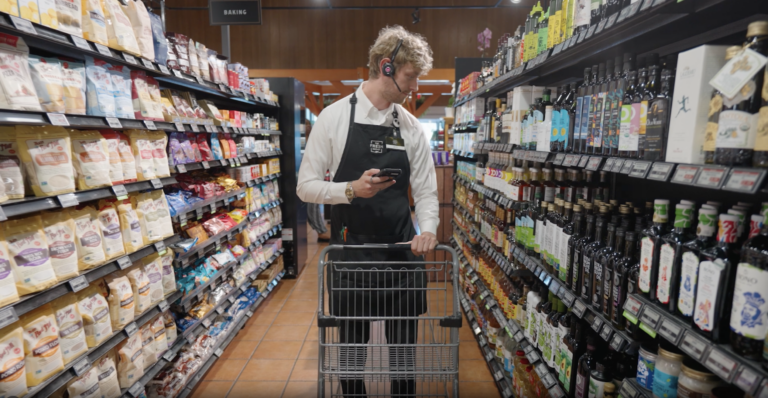
Grocery stores are leading adopters of digital shelf and camera-based systems because their inventory is highly dynamic. Real-time shelf data reduces shrink by alerting teams to out-of-date products and enables adaptive pricing on perishables to improve sell-through. The challenge lies in integrating the disparate pricing, promotions and inventory systems into a unified platform. Once that’s completed, the payoff is huge: reduced waste, improved margin accuracy and better labor allocation.
Convenience: Supporting micro-replenishment and peak-hour demand
For convenience, speed and simplicity define success. Real-time data supports micro-replenishment, ensuring key items like energy drinks, snacks and grab-and-go meals never run out during peak hours. Digital signage linked to live data adjusts promotions around local traffic patterns or nearby events. The challenge here is implementing comprehensive digitization in small-format locations where staff turnover, footprint constraints and legacy systems remain limitations.
Drug: Ensuring compliance and accuracy in regulated categories
Drug stores face a unique mix of fast-moving consumables and regulated health products. Real-time shelf monitoring improves compliance in sensitive categories like pharmaceuticals and OTC medications by ensuring accurate labeling and stock traceability. The main barrier is integrating health-related information with retail analytics, which requires strict compliance with privacy and security standards.
DIY & Home Improvement: Improving SKU-level visibility and execution
For DIY retailers, inventory visibility at the SKU and bin level is critical. Image recognition and shelf cameras identify missing or incorrectly placed items in complex hardware assortments, improving planogram execution and customer satisfaction. Real-time data also helps synchronize online and in-store availability. The opportunity is significant, but investment scale and integration with legacy ERP systems remain challenges.
Building a Scalable Real-Time Data Ecosystem in Stores
As retailers continue blending physical and digital experiences, the need for seamless data flow between systems becomes paramount. A digital store ecosystem thrives when ESLs, displays, cameras and sensors operate in harmony, feeding data into a centralized analytics layer that translates activity into action.
This is the evolution of the connected store: a space that continuously learns, reacts and optimizes, saving labor, reducing waste and delivering more engaging experiences that keep shoppers coming back.
From Real-Time Retail Data Insights to Predictive Store Performance
While challenges remain, the trajectory is clear. Real-time data is redefining how retailers think about operations, not as a collection of manual tasks but as an intelligent system tuned to respond instantly to shopper behaviors and store dynamics.
The next frontier will see more predictive capabilities layered into this data infrastructure, helping retailers anticipate rather than simply respond to shifts on the floor. Those who invest in real-time data intelligence are positioning themselves for smarter, more adaptive retail ecosystems that meet both operational goals and shopper expectations.
How Vusion Enables Real-Time Retail Data Insights at Scale
Ready to turn your ESLs, digital displays, and shelf cameras into a unified engine for higher sales, lower labor costs, and a better shopper experience across grocery, convenience, drug, and DIY?
Schedule a live store digitization demo with our team and see real-time pricing, availability, and compliance in action on your own categories.
Work with Vusion experts to build your roadmap to the fully digitized store, from ESL rollout and smart displays to AI-driven shelf monitoring.
Real-time retail data insights refer to the ability to collect, analyze, and act on store-level data as events happen on the sales floor. Unlike delayed reports, these insights transform shelf conditions, pricing accuracy, inventory levels, and execution signals into immediate operational actions for store teams and central functions.
Real-time retail data insights improve the shopper experience by eliminating friction points that erode trust. Accurate shelf pricing, better product availability, fresher assortments, and more relevant in-store content create a consistent and reliable experience that shoppers may not consciously notice but immediately feel when something goes wrong.
All retail formats benefit from real-time retail data insights, but the impact varies by segment. Grocery uses them to reduce waste and manage perishables, convenience stores rely on them to prevent peak-hour stockouts, drugstores use them to ensure compliance and accuracy, and DIY retailers apply them to improve SKU-level execution across complex assortments.
To scale real-time retail data insights, retailers need a unified data ecosystem where ESLs, displays, cameras, and sensors feed a centralized platform. Scalability depends on turning raw data into prioritized actions, enabling consistent execution across stores while avoiding isolated pilots that fail to deliver enterprise-wide impact.