 English


Vusion Media Toolkit
Company Profile
Vusion is the global leader in AI-powered digitalization solutions for physical commerce, serving over 350 large retailer groups across Europe, Asia and North America. Its technology is organized into four solution sets built on IoT, cloud, data and AI: Store Operational Excellence (shelf accuracy, waste reduction and out-of-stock prevention), Local eCommerce (in-store and online fulfillment synchronization), Data-Driven Commerce (AI-driven pricing, assortment and promotion insights), and Retail Media & Shopper Experiences (shelf-edge advertising and personalized messaging). Vusion has more than 650 million electronic shelf labels deployed in over 75,000 stores worldwide, and is listed on Euronext Paris (VU).
Retail is the world's largest industry, representing more than 20% of global GDP and employment, and it carries real strain from food waste, packaging and logistics emissions, and pricing accuracy. Vusion's premise is that IoT, cloud, and AI can turn a physical store into a connected, data-driven asset that is more accurate for shoppers and less manual for employees.
Products & Solutions
Vusion organizes its technology into four solution families:

Store Operational Excellence: Helps retailers automate store workflows, improve shelf accuracy, and ensure consistent execution. Powered by digital shelf technology and real-time data, it boosts productivity, reduces waste, and provides end-to-end visibility from shelf to HQ to prevent out-of-stocks and enhance store performance.

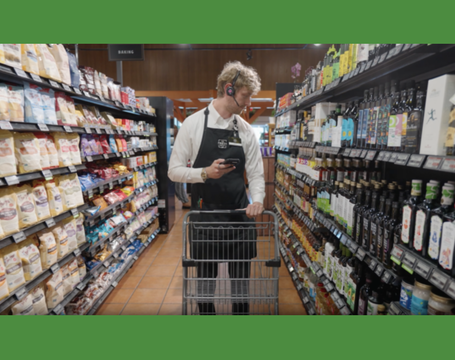
Local eCommerce: Connects in-store operations with digital fulfillment to accelerate omnichannel retail. With real-time inventory data and guided picking, it speeds up order preparation, increases accuracy, and ensures on-time delivery. The solution synchronizes shelves, stockrooms, and e-commerce systems to improve fulfillment productivity and customer satisfaction.

Data-Driven Commerce: Enables retailers and CPGs to optimize assortments, pricing, and promotions through continuous, shared data. Powered by AI and advanced analytics, it transforms shelf signals into actionable insights that improve decision-making, strengthen collaboration, and drive measurable commercial growth.

Retail Media & Shopper Experience: Turns stores into digital media platforms that engage shoppers with targeted content. Leveraging in-store IoT and real-time insights, it delivers personalized messaging at the shelf, increases media impact, and enhances the in-store shopping experience for retailers, brands, and consumers.
Customer Base
-
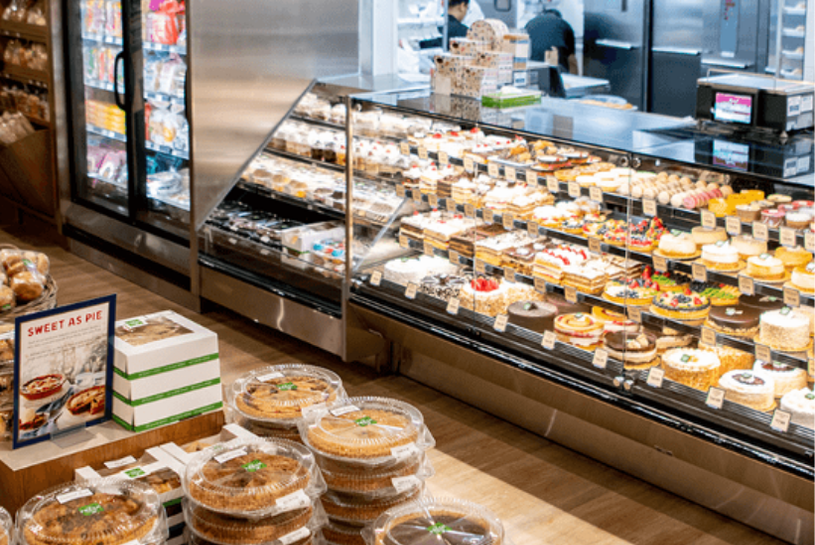
Grocery & Mass Retail
- Walmart (~4,600 U.S. stores, extended Dec. 2023; expanding to Canada and Mexico)
- Carrefour (France; EdgeSense/Captana pilot)
- Morrisons (UK, 10 million labels across all 497 stores)
- dm-drogerie markt (Germany)
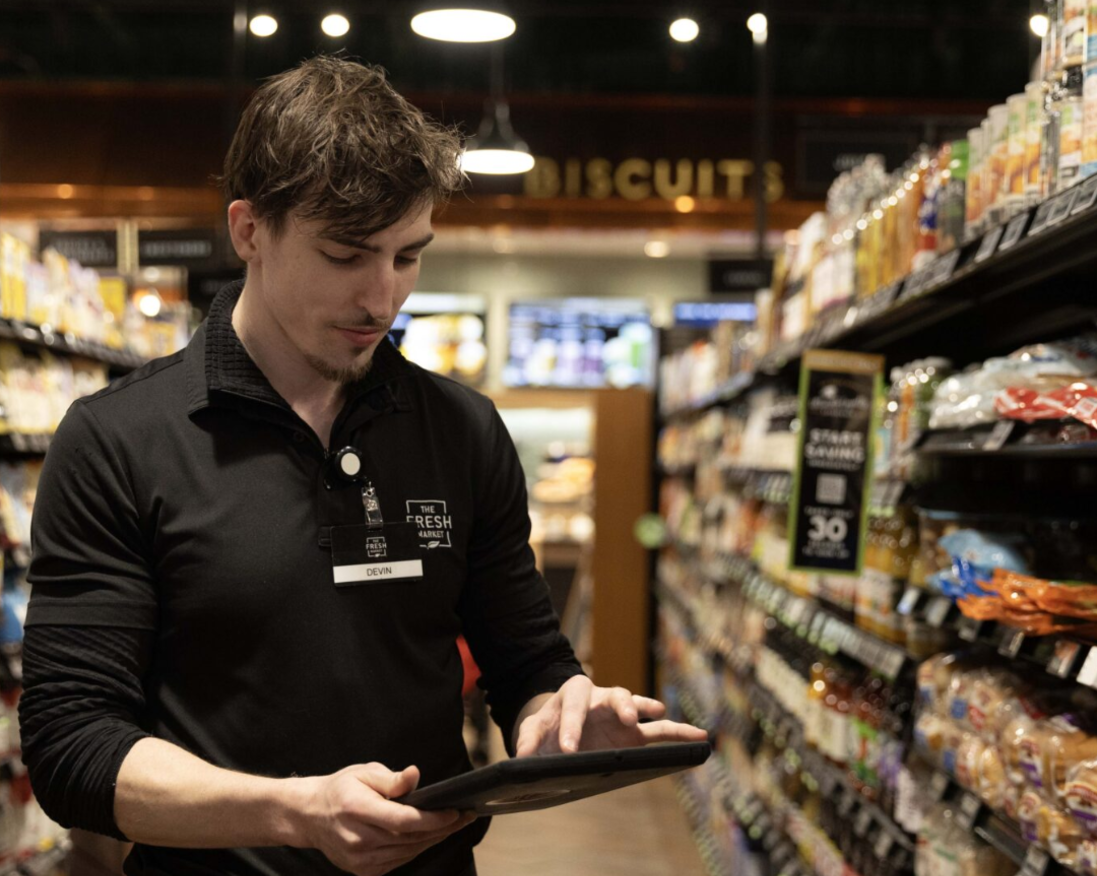
- The Fresh Market (166 U.S. stores)
- Colruyt, Edeka and Lidl (all cited in Vusion's company history)
- The Co-operative Group (UK)
- Asda Express
- Coop
- OBI
-
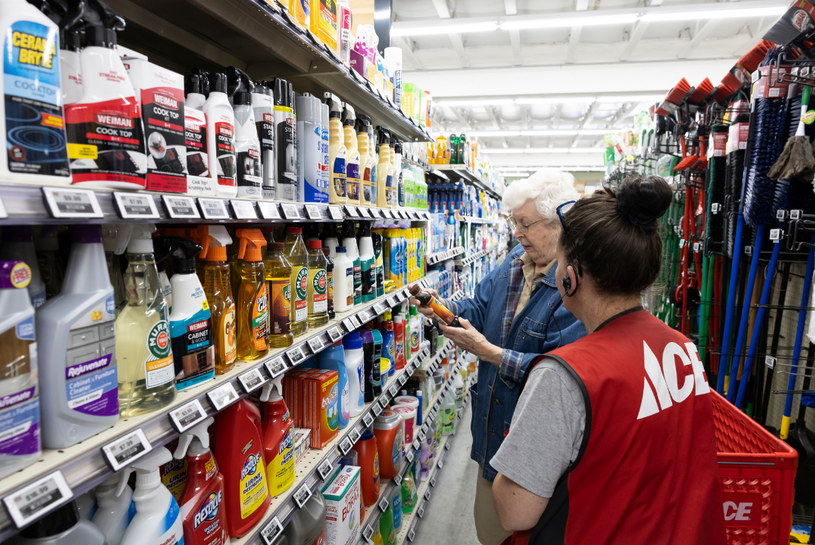
DIY & Hardware
- Ace Hardware (U.S., among the first full-store rollouts in the category)
-
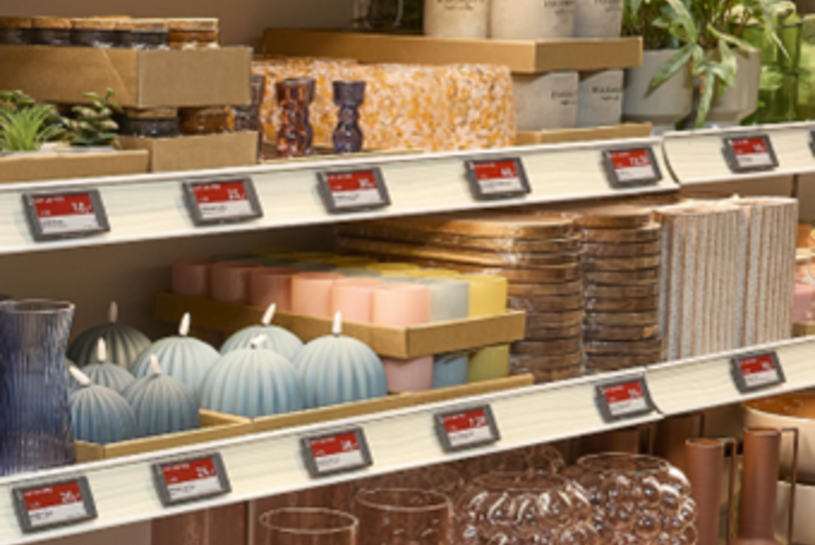
Furniture & Specialty
- Leon's Furniture and The Brick (Canada, 47,000+ labels across 196 stores)
- IKEA (110+ stores across six European countries)
- JYSK (Nordic/European rollout, 2,500 stores)
- Sephora (France)
Interesting Facts
- Market leader with roots dating to 1992: Vusion (originally SES) invented one of the first wireless, remotely-updatable electronic shelf label systems, and by 2003 already held 70% of the French ESL market.
- 650 million+ electronic shelf labels are now installed in more than 75,000 stores across 60+ countries. Vusion is widely cited as the global #1 in ESL/digital shelf technology.
- The Walmart expansion: Vusion’s technology (EdgeSense and VusionCloud) is being rolled out across all ~4,600 Walmart U.S. stores, one of the largest digital-shelf-label deployments in retail history, with the most recent contract extension alone valued at roughly €1 billion ($1.03 billion). The partnership has since expanded to Walmart Canada and Walmart Mexico, marking the first large-scale EdgeSense rollout in Latin America.
- A decade-plus of R&D behind EdgeSense: the platform’s underlying patents date back to 2013, the product of more than 10 years of in-house research.
- Beyond labels: a full retail media network: through its Engage business, Vusion turns shelf-edge digital displays into an in-store advertising and retail media channel for brands, alongside AI-driven computer vision (Captana) that can spot out-of-stocks and pricing errors in real time.
- Crossed €1 billion, then €1.5 billion, in back-to-back years: Vusion surpassed €1 billion in annual adjusted revenue for the first time in 2024, then leapt past €1.5 billion in 2025, driven by its U.S. retail expansion to Walmart.
- Rebrand over two years reflects growth: the company shifted from SES-imagotag to VusionGroup in January 2024, then simplified to just "Vusion" in 2026, reflecting its evolution from a hardware label maker into an AI-and-cloud retail technology platform.
Company FAQs
-
Vusion is the global leader in smart digital labels and Retail IoT solutions to help retailers modernize physical stores. The company serves more than 350 large retailers across Europe, Asia, and the Americas. Its core product is the electronic shelf label, a digital price tag used to improve pricing accuracy, operational efficiency, and the in-store shopping experience.
-
Vusion started in 1992 as SES (Store Electronic Systems), a French maker of electronic shelf labels. It became SES-imagotag in 2014 after acquiring the Austrian company Imagotag, then rebranded as VusionGroup in January 2024 and simplified to Vusion in 2025, marking its evolution from a hardware label maker into a full retail IoT and AI platform.
-
Four solution sets built on IoT, cloud, data and AI: Store Operational Excellence (shelf accuracy, waste reduction and out-of-stock prevention), Local eCommerce (in-store and online fulfillment synchronization), Data-Driven Commerce (AI-driven pricing, assortment and promotion insights), and Retail Media & Shopper Experiences (shelf-edge advertising and personalized messaging). Electronic shelf labels remain the core underlying technology across all four.
-
More than 1,174 employees, 24 offices in 19 countries, roughly €1.5 billion in 2025 revenue and more than 650 million electronic shelf labels installed in over 75,000 stores globally.
-
More than 350 large retailer groups worldwide. The highest-profile deployment is Walmart, rolling out across roughly 4,600 U.S. stores plus Canada and Mexico. Others include E. Leclerc, Carrefour, The Co-operative Group, Kavanagh Group, Morrisons, dm-drogerie markt, Leon's Furniture, and independent grocers like Dorothy Lane Market and Westside Market NYC.
-
Vusion is headquartered in Nanterre, France and listed on the Paris exchange. Its Americas business is led out of Bentonville, Chicago, and Dallas.
-
No. ESLs are display technologies, and they do not independently determine prices or pricing strategies. Pricing policies and decisions remain under the control of the retailer.
Market Research & Third-Party Coverage
-

IHL Group
Retail-technology research and advisory firm led by Greg Buzek. Recent research finds retail technology leaders (including ESL adopters) achieving profitability gains 99% higher and sales growth 71% higher than peers, based on a fall 2025 survey of 400+ brands and retailers.
-

Coresight Research
Retail-tech research firm that has published consumer-perception surveys and analyst commentary specifically on ESLs, including consumer awareness of ESLs and the surge-pricing debate. This research finds that ESLs are a durable, established retail technology, and they do not result in price increases.
- Analyst Corner: Electronic Shelf Labels Are Here To Stay
- RetailTech Research: Electronic Shelf Labels — A Boon or Burden for Consumers?
- In-Store Digitalization in Retail (full reports require Coresight subscription)
-
Retail Systems Research (RSR)
Independent retail research firm. January 2025 data cited by eMarketer found 48% of retail professionals worldwide plan to invest in electronic shelf labels.
-

Gartner
Gartner covers electronic shelf labels within its retail practice, under real-time in-store pricing and smart-shelf technology. Its 2024 Market Guide for Smart Shelf in the Retail Store explores how retail CIOs use in-store IoT, electronic shelf labels (ESLs), and shelf-edge computer vision (CV) to drive store automation, dynamic pricing, and real-time inventory visibility.
Electronic Shelf Label FAQs
-
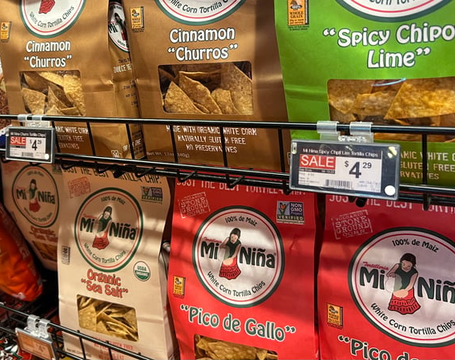
An electronic shelf label (ESL), also known as a digital shelf label (DSL), is a digital shelf tag that shows price and other product information on a small screen at the shelf edge.
-
ESLs are primarily used to improve pricing accuracy, operational efficiency, and the in-store shopping experience. They allow retailers to update approved prices, promotions, and product information quickly and consistently across stores through centralized systems.
-
ESLs are managed through a retailer's centralized platform that publishes approved shelf information across a store or chain. They present pricing and product information that has already been approved and managed through retailer-controlled pricing systems. Pricing policies and decisions remain under the control of the retailer.
-
Industry experts and trade associations recognize ESLs for improving shelf accuracy, reducing waste, and enhancing the shopping experience. According to the Food Industry Association (FMI), ESLs help retailers maintain accurate pricing while improving store operations.
-
Retailers use ESLs to change prices and promotions remotely from a central system once they are approved instead of replacing paper tags by hand. ESLs can speed up promotion execution, but the tag itself does not decide when prices should change or what a new price should be.
-
No. The technology itself does not determine pricing strategy or make autonomous pricing decisions. Research analyzing millions of product-level observations before and after the introduction of ESLs has provided no evidence that digital labels usher in real-time pricing spikes, even during periods of high inflation.
-
ESLs allow retailers to update prices and promotions more efficiently than replacing paper tags manually. ESLs make those approved updates more accurate and easier to implement consistently across stores.
-
ESLs are display technologies. They do not independently determine prices or pricing strategies. Retailers may use centralized pricing systems to schedule approved promotions, markdowns, or pricing updates, just as they do with paper labels. ESLs are primarily used for pricing accuracy, operational efficiency, promotions, and freshness management.
-
ESLs are simple display technologies and do not collect personal data or identify shoppers.
-
Yes. Vendors openly promote ESLs for markdowns tied to inventory management and freshness, especially to reduce waste on perishable items. That is a form of time-sensitive pricing, but it is framed as lowering prices to move products before expiration.
-
Multiple independent academic studies examining retailers before and after ESL deployments have found no evidence that ESLs lead to surge pricing or higher grocery prices. A 2025 study analyzing pricing data from more than 100 grocery stores found virtually no change in pricing behavior following ESL adoption. Another peer-reviewed study published in Management Science found that ESL deployment was associated with a decrease in average price per unit sold, driven in part by more frequent markdowns and reductions on products with shorter shelf lives.
-
ESLs do not collect personal customer data, do not use facial recognition, do not identify individual shoppers, or know which specific customer is standing in an aisle. ESLs are digital display devices that show pricing and product information approved through a retailer's centralized systems. They do not have the ability to function as cameras, biometric systems, or shopper-tracking devices or independently analyze customer identities, demographics, or personal behavior.
-
No. ESLs can highlight promotions using color indicators, spotlight features, promotional messaging and synchronized in-store communication. Discounts are generally designed to increase sales. ESLs simply allow those approved pricing changes to be implemented more efficiently and accurately.
-
ESLs are designed to strengthen pricing reliability. Specifically, they help retailers reduce shelf-to-checkout pricing discrepancies, apply promotions consistently, update regulated pricing information quickly and correct pricing errors quickly. For consumers, this means more confidence that the price displayed at the shelf is the price charged at checkout.
-
Electronic shelf labels were introduced to the U.S. more than 25 years ago and have been used for several decades in over 60 countries across Europe and Asia. More than a billion ESLs are deployed globally in markets with strong consumer protection frameworks and strict pricing regulations, as in the European Union.
Executive Team Overview
The table below can be used for quick reference of the Vusion leadership team, but full bios, headshots, and LinkedIn links are available at vusion.com/about (Leadership section).
| Name | Title | |
|---|---|---|
| Thierry Gadou | Group Chairman & CEO | [email protected] |
| Thierry Lemaire | Deputy CEO | [email protected] |
| Philippe Bottine | Deputy CEO (also CEO, Americas) | [email protected] |
| Andreas Rössl | Chief Technology Officer | [email protected] |
| Mark Propes | Chief Business Development Officer, Americas | [email protected] |
| Pierre Demoures | SEVP & COO, Global Sales and Customer Services | [email protected] |
| Sébastien Fourcy | SEVP, EMEA | [email protected] |
| Jérôme Hamrit | SEVP, Business Development | [email protected] |
| Michael Moosburger | SEVP, PDidigital | [email protected] |
| Marianne Noel | SEVP, Human Resources | [email protected] |
| Roy Horgan | SEVP, Strategy, Marketing & Communications | [email protected] |
| Pascale Dubreuil | Group Chief Sustainability Officer | [email protected] |
| Morgane Le Puil | Group Chief Legal Officer | [email protected] |
| Tarik Filaly Ansary | Deputy CTO | [email protected] |
| Christian Weissensteiner | SEVP, Global Manufacturing Operations & Sourcing | [email protected] |
| Jean-Baptiste Frossard | Chief AI Transformation Officer | [email protected] |
Customer Success Stories
Better In-Store Execution, Proven Results

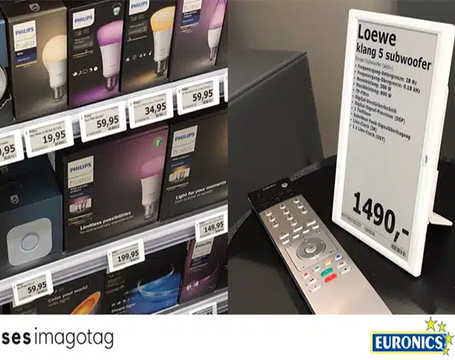
Product & Store Images
-
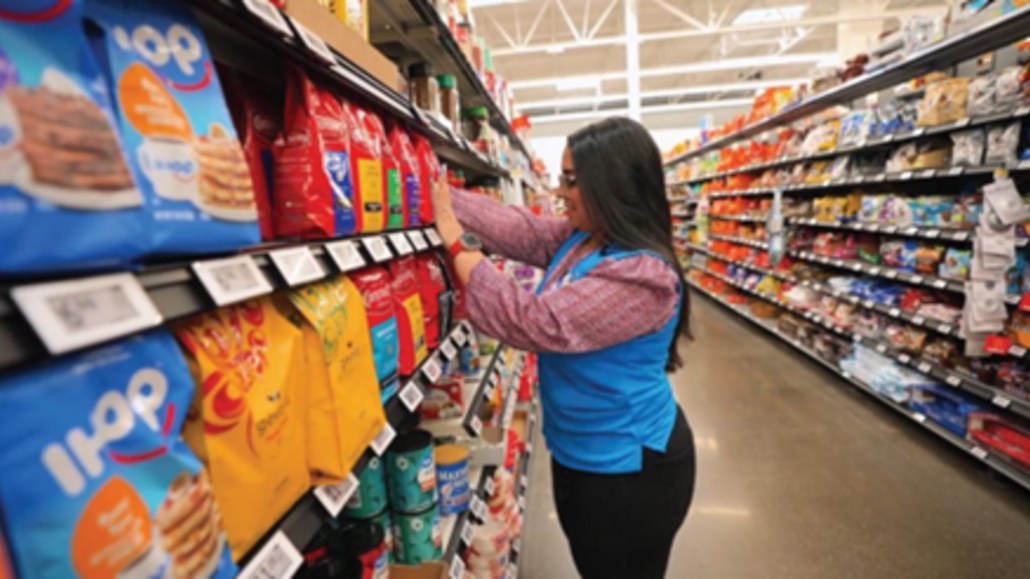 ESL shelf display, general retail setting
-
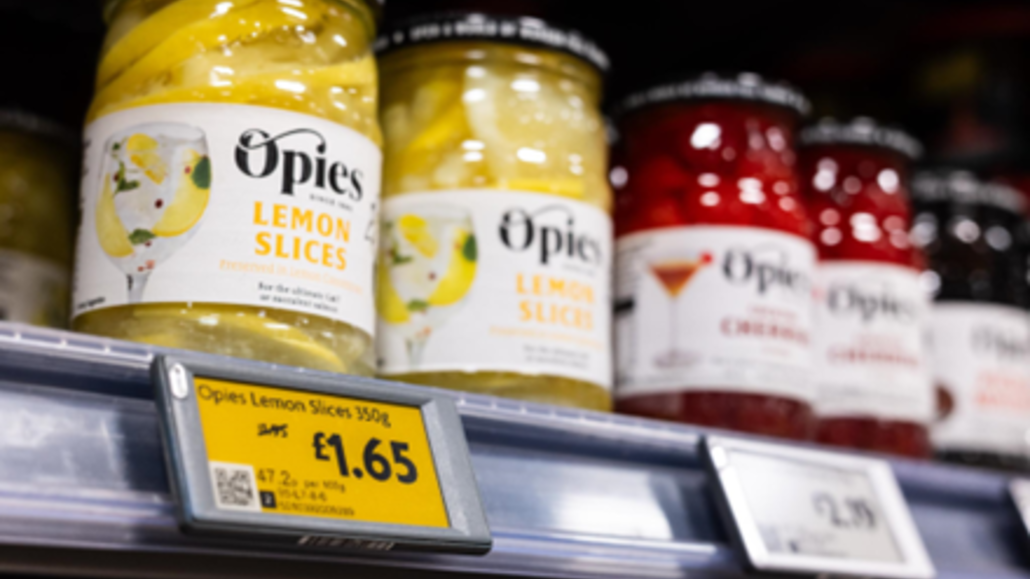 Morrisons (UK) — electronic shelf label in produce/grocery aisle
-
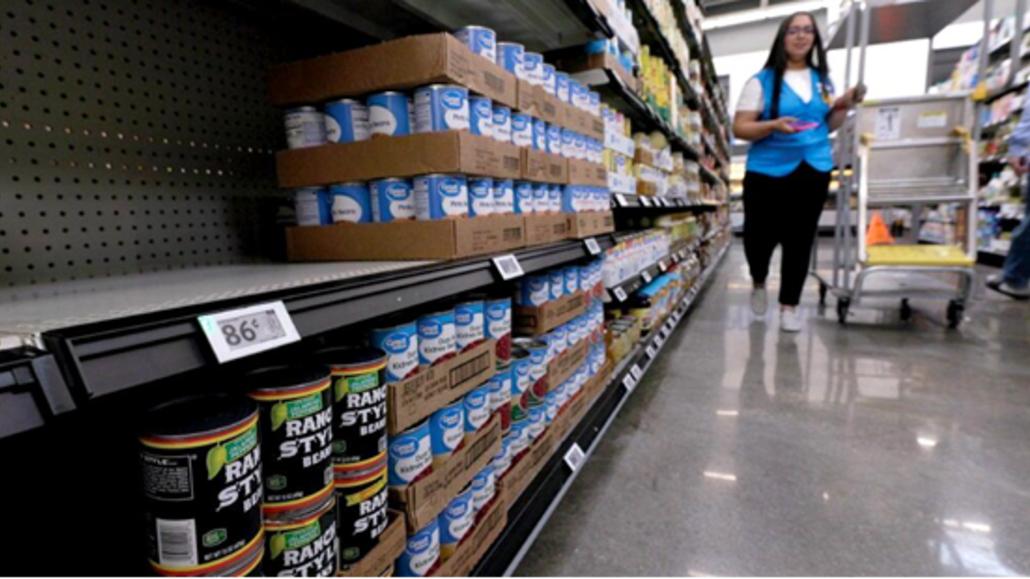 Store associate using pick-to-light / stock locator feature
-
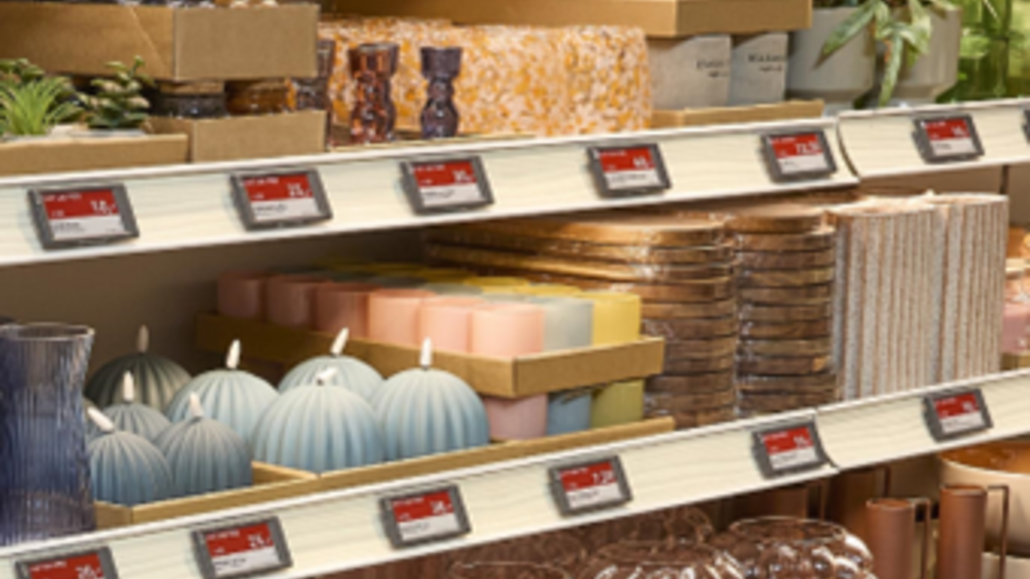 JYSK — ESL deployment in home goods retail
-
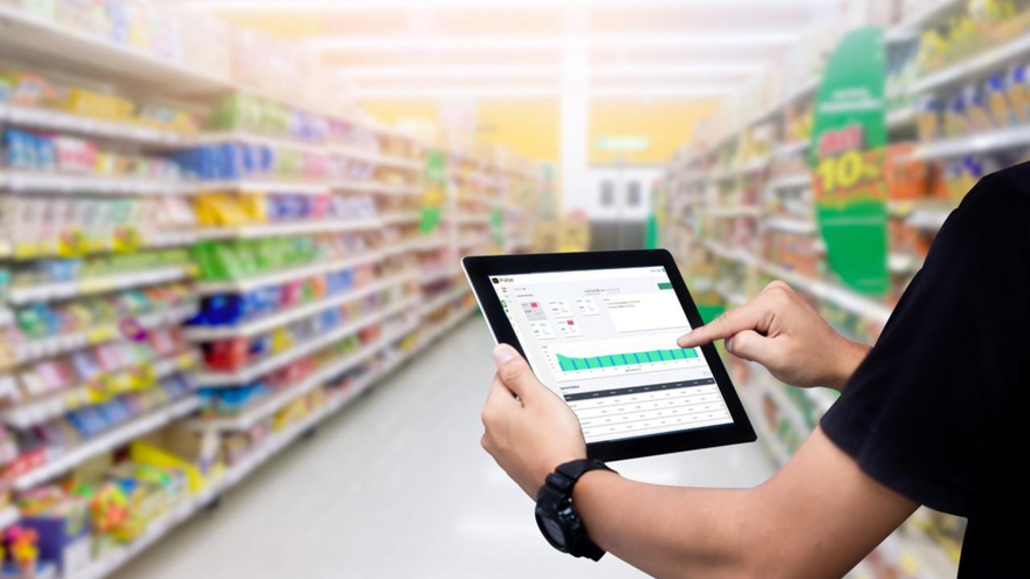 Vusion Pulse dashboard, which is used daily by store managers, retail directors, pricing managers and operations managers to monitor label accuracy and price-update activity.