Retail is at a turning point. With growing consumer expectations, stricter regulations, and mounting operational complexity, retail sustainability has evolved from a brand differentiator into a strategic necessity. Reducing carbon emissions, optimizing environmental performance, and improving supply chain resilience are now core to business survival – not just compliance.
Key takeaways:
- Sustainability pressure is rising: Consumers demand transparency, while regulations enforce eco-friendly operations. Retailers must now meet both.
- Digital tools make impact measurable: ESLs and real-time inventory systems enable smarter markdowns and stock management—cutting food waste and shrink.
- Unified commerce creates operational coherence: Aligning data across online and offline channels improves sourcing, demand planning, and execution.
- These changes reduce carbon footprint: Automated workflows and optimized assortments lower emissions and resource waste.
- Shoppers reward responsible brands: Personalized, purpose-led experiences increase engagement, loyalty, and store performance.
- Data drives ongoing improvement: Real-time insights allow for fast adjustments—improving efficiency and sustainability over time.
- Retailers unlock both ROI and ESG value: Digitization doesn’t just cut costs—it delivers long-term competitive advantage through sustainable performance.
Why Retail Sustainability Is Now Non-Negotiable
Sustainability is no longer a “nice to have” for North America’s grocers and broadline retailers – it’s a supply chain imperative, directly tied to environmental impact and emissions reduction. Consumers are demanding transparency, eco-friendly practices and ethical sourcing. Retailers and brands are responding, but the real game-changer? In-store digitization: electronic shelf labels, personalized displays and unified commerce are transforming the industry: cutting food waste, reducing carbon impact, improving environmental performance, and delivering long-term value across the retail chain.
Shoppers are voting with their wallets for products and brands that align with their values – sustainability, health, and transparency. This shift is pressuring retailers to prioritize eco-friendly sourcing, reduce carbon emissions, and build a more resilient supply chain to maintain customer loyalty.
Major retailers (think Walmart, Whole Foods) are setting ambitious sustainability goals, influencing the entire supply chain. When big players raise the bar, suppliers and smaller competitors must follow suit to stay relevant.
Regulatory pressure is mounting, as stricter labeling, sustainable sourcing, and reporting requirements have become the norm. Government mandates are forcing companies to adopt greener operations or face penalties and reputational damage.
Bottom line: If you’re not sustainable, you’re not competitive.
In-Store Digitization: The Shift from Intent to Impact
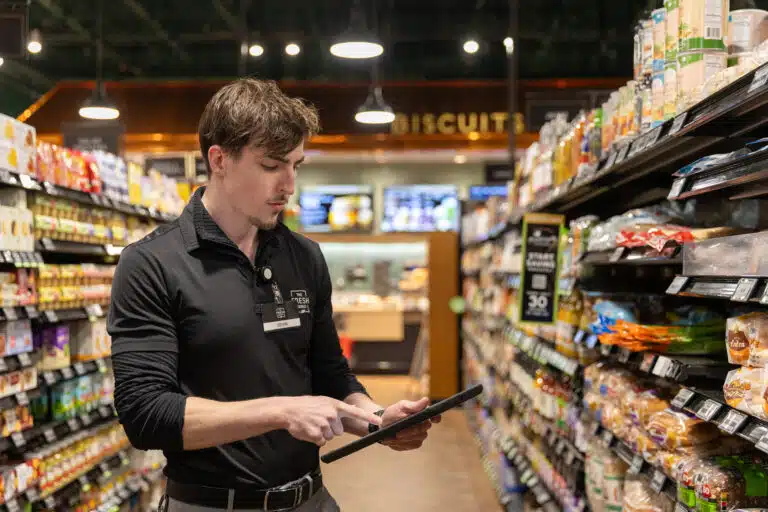
Electronic Shelf Labels (ESLs): ESLs allow instant price changes, reducing markdown lag, cutting food waste, and helping optimize inventory rotation within the retail supply chain. Retailers can respond to inventory levels and expiration dates in real time, ensuring less product goes unsold.
Real-time inventory: Staff and shoppers see what’s in stock, what’s on sale, and what’s running low—minimizing over-ordering and out-of-stocks. This transparency helps stores optimize ordering and reduces the risk of both waste and disappointed customers.
Task Management: No more manual tag swaps. Employees focus on higher-value tasks, such as customer service or executing category plans aligned with sustainable goals. Automating routine work frees up staff to engage with shoppers and enhance the in-store experience.
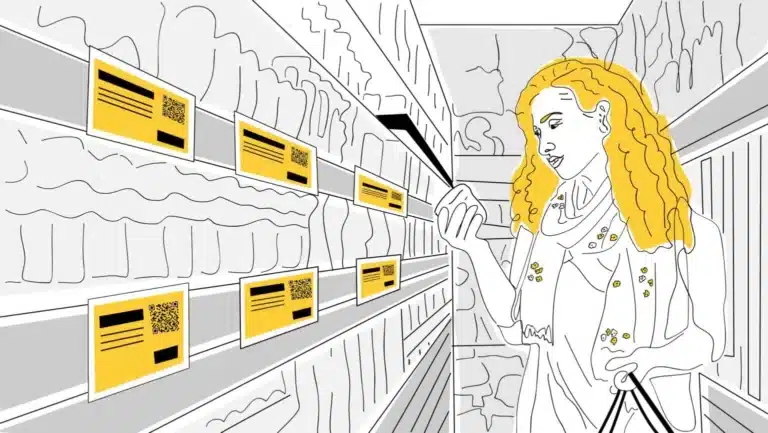
Brand storytelling: Retailers can spotlight local farmers, eco-initiatives, or recycling programs, building trust and loyalty. Sharing these stories at the shelf humanizes the brand and demonstrates authentic commitment to sustainability.
Increased dwell time: Interactive displays invite customers to linger, learn, and buy – driving sales and education at once. The longer shoppers engage with content, the more likely they are to make informed and sustainable purchases.
Connected Commerce: A Foundation for Sustainable Efficiency
Shoppers move smoothly between online and in-store, with consistent pricing, inventory, and messaging – reducing friction and confusion. This integration ensures customers have consistent product data across all channels, improving sourcing transparency and supporting sustainability efforts.
Unified systems power smarter merchandising, demand forecasting, and targeted sustainability campaigns. Retailers can use real-time data to adjust quickly, minimizing waste and maximizing relevance.
Stores can react faster to trends, recalls, or local events – minimizing waste and maximizing relevance. Breaking down operational barriers allows for more responsive and sustainable business practices.
Food Waste: The Retail Challenge That Tech Can Fix
The problem: Billions lost annually to unsold, expired inventory1. Food waste not only hurts the bottom line but also contributes significantly to environmental harm.
The solution: Digitization enables real-time markdowns, optimized promotions and better stock rotation – so less food ends up in the landfill. Technology empowers stores to proactively manage inventory, reducing both waste and costs.
The result: Lower shrink, higher margins and a greener footprint.
How Digital Tools Engage Shoppers and Empower Staff
For shoppers, personalized offers, clear sustainability info – such as environmental labels or recycling guidance – as well as interactive experiences make shopping more rewarding and aligned with their values. Enhanced engagement increases satisfaction and encourages repeat visits.
For employees, automation of routine tasks frees up time for customer service and store improvement – boosting job satisfaction and retention. Staff can focus on meaningful work, leading to a more motivated and loyal workforce.
What’s Next: AI, Personalization, and Continuous Optimization
AI-powered personalization: More retailers will use AI to tailored promotions and sustainability messaging to individual shoppers. Artificial intelligence will make sustainability even more relevant and persuasive.
Deeper integration: Connected commerce blurs the lines between online and offline, making sustainability a core part of every touchpoint. Every interaction will reinforce the brand’s commitment to responsible retail.
Continuous improvement: Data from digital systems will drive ongoing tweaks to reduce waste, optimize assortment, improve sourcing transparency, and align with sustainability goals and ESG commitments. Retailers are able to iterate and innovate faster than ever before.
Bottom line:
Sustainability and digitization are converging – and the winners will be those who use technology not just to cut costs, but to create value for everyone: shoppers, employees, suppliers and the planet. Retailers who embrace digital shelf tags, personalized displays, and unified commerce aren’t just future-proofing their stores – they’re building a more sustainable, engaging and profitable retail for all.
VusionGroup’s advanced technology offers far-reaching waste reduction opportunities throughout the store and even further back in the supply chain. Contact us HERE to learn more.
1 Harvard Business Review. The Next Supply-Chain Challenge Isn’t a Shortage — It’s Inventory Glut. September 29, 2023. https://hbr.org/2023/09/the-next-supply-chain-challenge-isnt-a-shortage-its-inventory-glut.
Frequently Asked Questions about Retail Sustainability
What does retail sustainability really mean in practice?
It’s the alignment of store operations, supply chains, and shopper engagement with environmental and social goals – using measurable, tech-driven strategies.
How can in-store digitization help reduce waste?
Technologies like ESLs and real-time inventory data enable smarter markdowns and better stock rotation – significantly reducing food waste and overstock.
Is retail sustainability only relevant for large retailers?
No. While major players often lead, sustainability is becoming a baseline expectation. Mid-size and regional retailers are under the same consumer and regulatory pressure to evolve.
What role does unified commerce play in sustainability?
It ensures consistent, real-time data across physical and digital channels – critical for optimizing sourcing, reducing returns, and minimizing operational inefficiencies.
Can digital transformation really improve both sustainability and profitability?
Yes. Automating manual processes, cutting waste, and improving assortments all contribute to higher margins – while reducing environmental impact.